

A major global public health problem
HFrEF accounts for approximately 40 to 50 percent of heart failure cases. Figures are approximate, from published heart failure statistics.
Hemodynamic burden persists despite optimal therapy
Patients may appear stable at rest. During exercise, filling and pulmonary pressures climb while the rise in cardiac output remains limited.
Guideline-directed medical therapy (GDMT) and device therapies such as CRT and ICD improve survival, but they do not normalize exercise hemodynamics. A major physiological driver of symptoms remains untreated.

The UPright™ System targets the hemodynamic mechanism that drives symptoms
The UPright™ System is implanted in the left and right branches of the pulmonary artery. During exercise, it is designed to reduce distal pulmonary arterial pressure (PAP) and pulmonary capillary wedge pressure (PCWP), while increasing cardiac output (CO) reserve. PCWP is an invasive surrogate of left ventricular (LV) filling pressure and left atrial pressure (LAP).
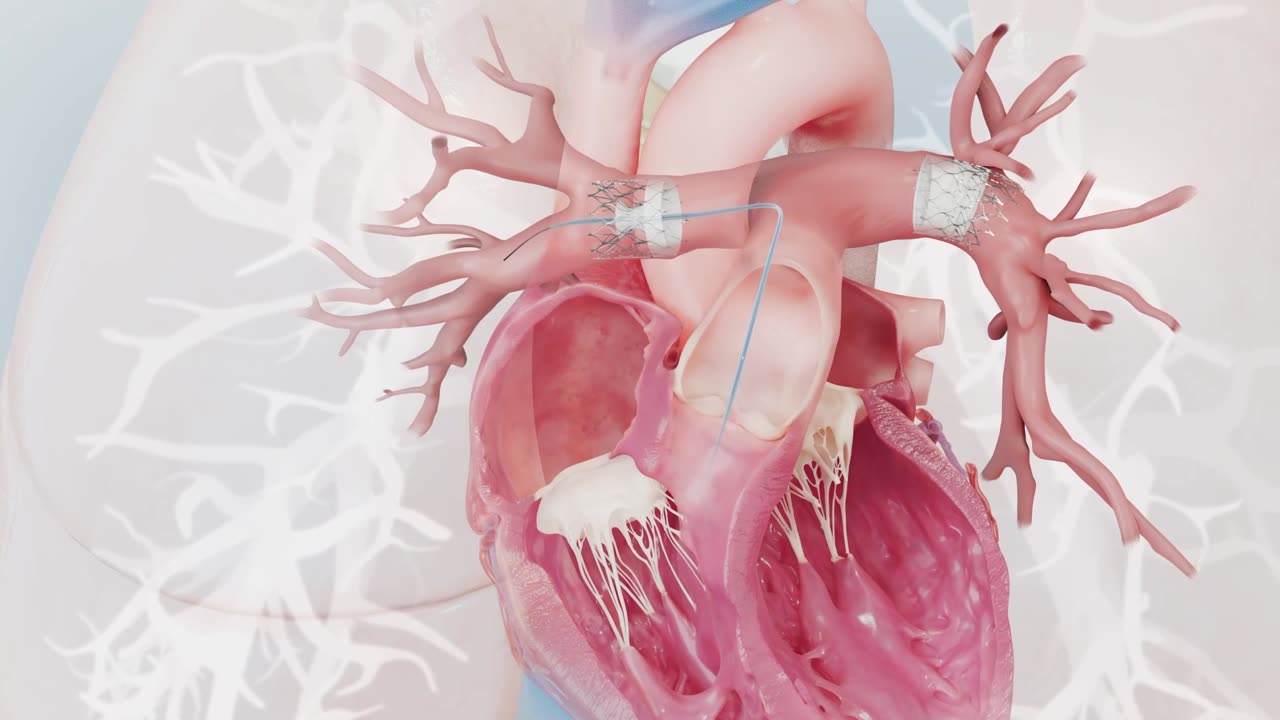
Implant and delivery system
The UPright™ System consists of the implant and a dedicated transcatheter delivery system.
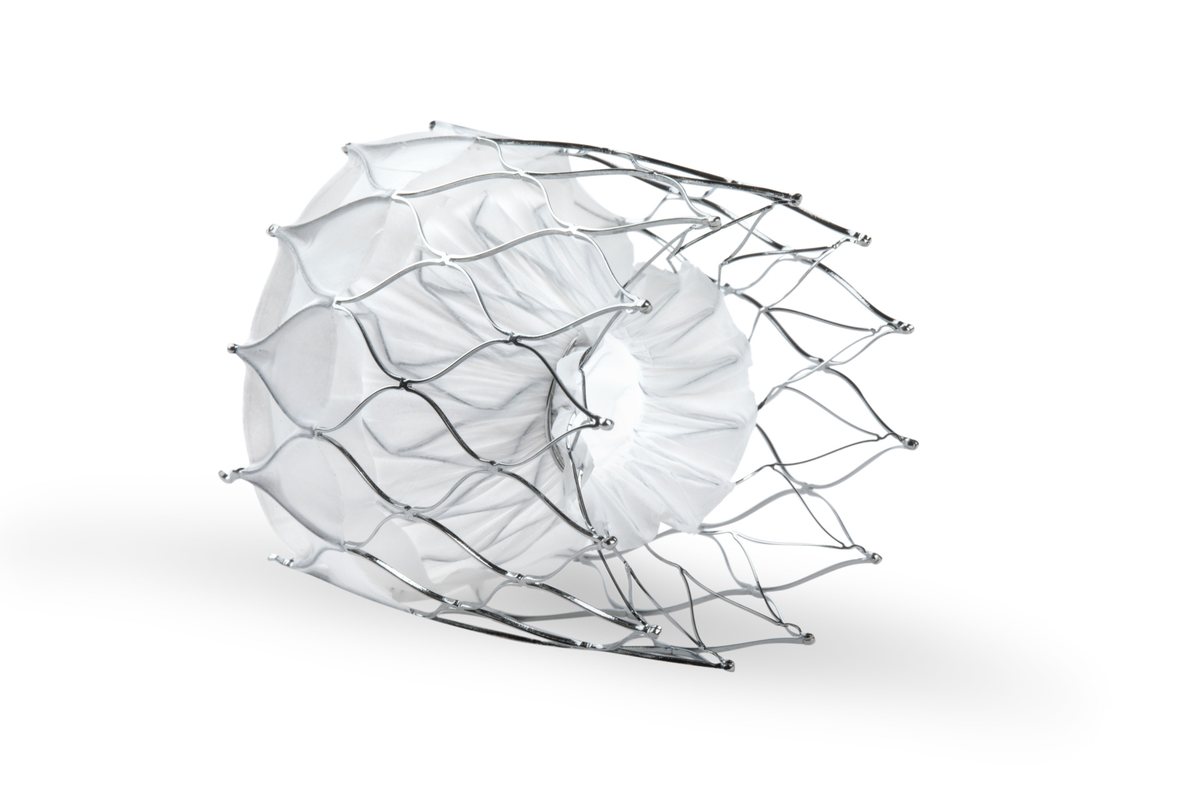
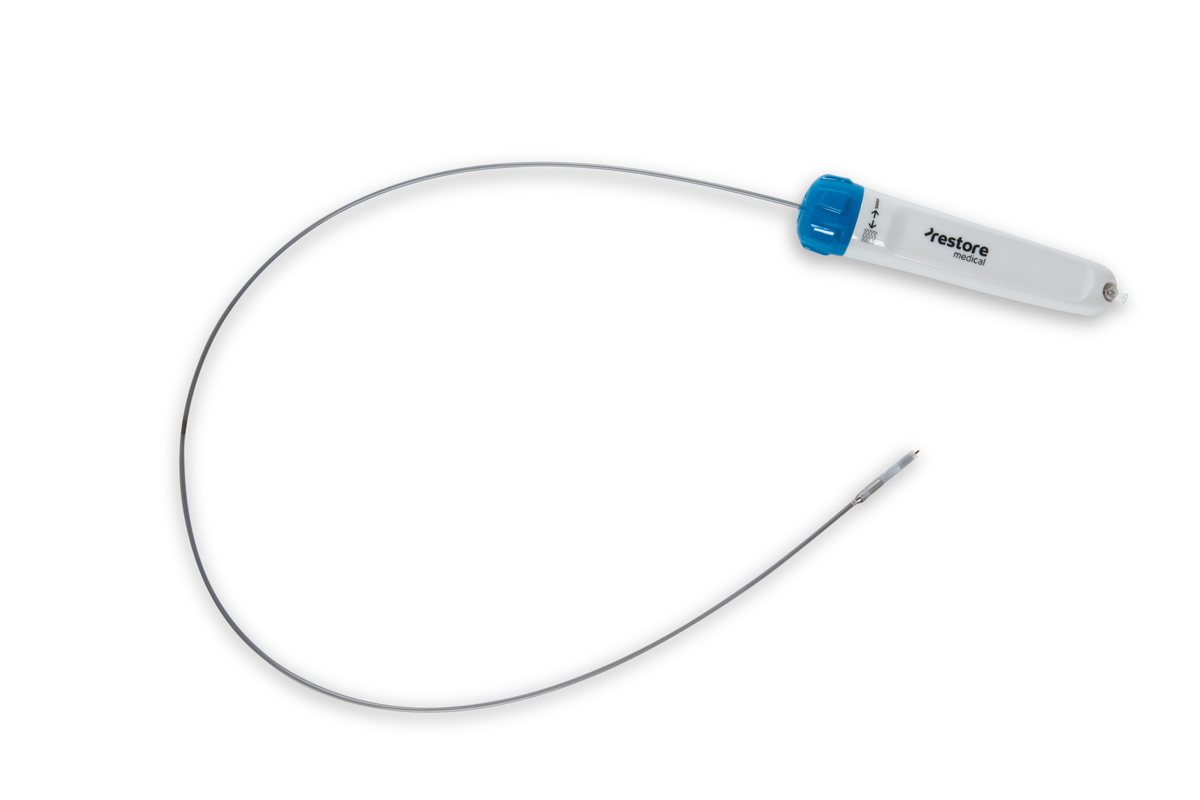
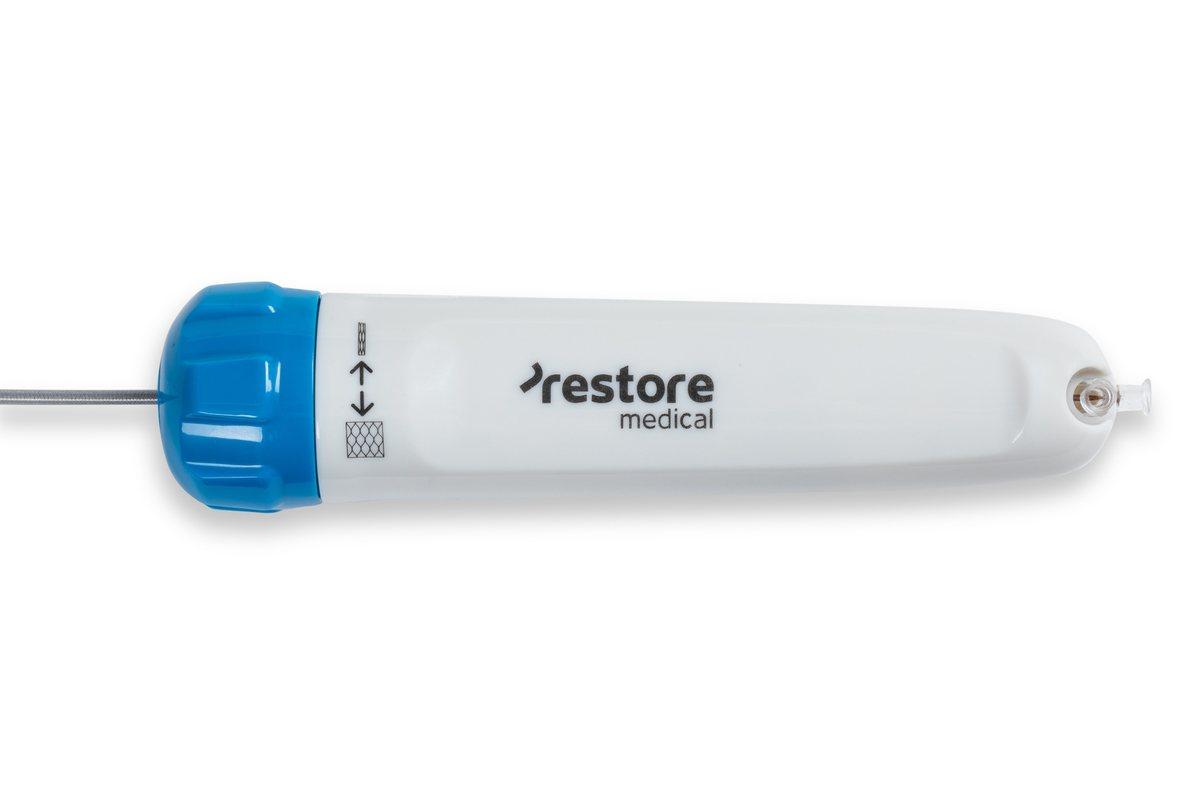
At a glance
 18Fsystem, delivered through a femoral vein
 45 minutesprocedure time
 Outside the heartplaced in the pulmonary arteries
 Pressure gradientcan be eliminated if needed